Abstract
This article examines how effective solid waste management significantly influences sustainable development, with environmental quality and digitalization acting as critical mediating forces in achieving long-term economic, social, and ecological balance.
By aligning waste governance reforms with the Sustainable Development Goals, it highlights how data driven systems, environmental stewardship, and circular economy practices can transform waste from a liability into a strategic resource for Pakistan’s sustainable future.
Introduction: Waste Is Not a Problem, It Is a Policy Failure
Every morning in our cities from Karachi to Peshawar mountains of waste quietly accumulate at street corners, open drains, and landfill edges. We step around them, often unaware that what lies before us is not merely garbage, but a mirror reflecting our governance gaps, behavioral patterns, economic priorities, and technological lag.
Solid Waste Management (SWM) is no longer a municipal routine; it is a national sustainability question. It directly influences public health, climate resilience, urban planning, economic productivity, and social equity. In the context of Pakistan’s development trajectory, ineffective waste systems undermine progress toward the United Nations Sustainable Development Goals (SDGs), particularly:
i. SDG 3 Good Health and Well-being
ii. SDG 6 Clean Water and Sanitation
iii. SDG 11 Sustainable Cities and Communities
iv. SDG 12 Responsible Consumption and Production
v. SDG 13 Climate Action
My academic research examines how solid waste management impacts sustainable development, particularly through the mediating roles of environmental factors and digitalization. The findings are clear: waste does not merely affect sustainability, it shapes it.
The question before us is not whether we can afford to improve waste systems. The real question is whether we can afford not to.
Solid Waste and Sustainable Development: An Invisible Link
Sustainable development rests upon three pillars: economic growth, environmental protection, and social equity. Solid waste intersects with all three.
III. Female leadership: Bulwark and sustainable solution
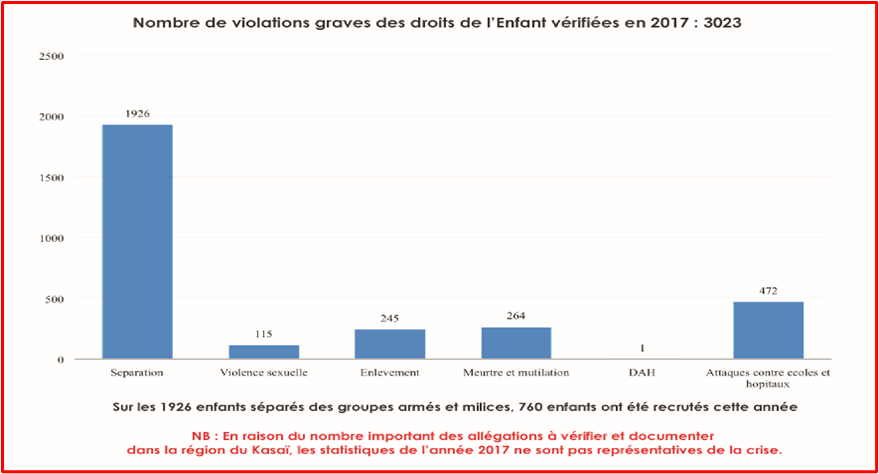
Despite this oppression, local female leadership remains the last bulwark against collapse. In displaced persons camps, it is women who organize makeshift learning spaces under plastic tarps. This grassroots leadership is the indispensable key to consolidating peace. An educated girl becomes a mediator capable of understanding the issues of sustainable resource management. She can thus oppose the illegal exploitation that finances the war. Breaking the School Genocide means allowing these young girls to move from victim status to that of climate leaders and peacemakers.
1. Environmental Degradation and Climate Burden
Open dumping and unmanaged landfills generate methane, a greenhouse gas far more potent than carbon dioxide. Leachate from waste sites contaminates groundwater and agricultural land. Plastic waste clogs waterways, contributing to urban flooding and marine pollution.
When waste management fails, environmental quality deteriorates. This environmental deterioration mediates the broader relationship between waste systems and sustainable development. Poor environmental conditions reduce agricultural productivity, increase disease burdens, and inflate public health expenditures.
2. Economic Losses Hidden in Plain Sight
Pakistan generates thousands of tons of municipal solid waste daily, yet recycling rates remain critically low. Informal waste pickers recover some value, but systemic inefficiencies mean recyclable materials worth billions of rupees are lost annually.
A circular waste economy could:
i. Generate green employment
ii. Reduce import dependency for raw materials
iii. Lower municipal expenditure on landfill management
iv. Stimulate small and medium enterprises
Waste, when managed strategically, becomes an economic resource rather than a fiscal liability.
3. Social Equity and Public Health
Improper waste disposal disproportionately affects low-income communities. Open dumping near marginalized neighborhoods increases exposure to respiratory diseases, vector-borne infections, and contaminated water supplies.
Thus, solid waste management is not only an environmental or economic issue, but also a social justice issue.
Environmental Factors as a Mediating Force
Environmental quality acts as a bridge between waste management practices and sustainable development outcomes.
When waste is segregated, recycled, composted, or converted to energy:
i. Air pollution declines
ii. Water contamination reduces
iii. Urban cleanliness improves
iv. Biodiversity is protected
Improved environmental indicators then enhance quality of life, increase productivity, and support long-term economic stability.
Conversely, when environmental degradation intensifies due to mismanaged waste, sustainable development efforts in education, health, and poverty reduction become significantly constrained.
This mediating role of environmental factors demonstrates that sustainability cannot be achieved through isolated policy interventions. Waste management must be integrated into climate policy, urban planning, and industrial regulation frameworks.
Digitalization: The Game Changer in Waste Governance
If environmental reform is the bridge, digitalization is the accelerator.
The Fourth Industrial Revolution presents unprecedented tools to transform waste management systems. Smart governance is no longer optional, it is essential.
1. Smart Collection Systems
GPS enabled waste collection vehicles, route optimization software, and sensor-based smart bins reduce fuel consumption, operational costs, and service delays.
2. Data-Driven Policy Making
Real-time data analytics can:
i. Track waste generation patterns
ii. Identify illegal dumping hotspots
iii. Improve resource allocation
iv. Monitor recycling performance
Without data, waste policy remains reactive. With digital tools, it becomes strategic.
3. Transparency and Accountability
Digital dashboards accessible to citizens can improve municipal transparency. When communities can monitor service performance, governance improves.
4. Integration with Circular Economy Platforms
Digital marketplaces can connect waste producers with recycling industries, promoting industrial symbiosis and reducing material wastage.
Digitalization, therefore, mediates the waste-sustainability relationship by improving efficiency, transparency, and innovation capacity.
Aligning Solid Waste Management with the SDGs
To meaningfully contribute to national and global sustainability commitments, Pakistan must align waste policies with SDG targets:
i. SDG 11.6: Reduce adverse environmental impact of cities
ii. SDG 12.5: Substantially reduce waste generation through prevention, reduction, recycling, and reuse
iii. SDG 13.2: Integrate climate change measures into national policies
This alignment requires:
1. National waste segregation legislation
2. Investment in waste to energy technologies
3. Strengthening public private partnerships
4. Formalizing and protecting informal waste workers
5. Integrating digital governance frameworks
Waste governance should be embedded within Pakistan’s climate adaptation and green growth strategies.
Challenges: Where Do We Stand?
Despite policy frameworks, practical implementation remains fragmented due to:
i. Institutional overlaps between federal and provincial authorities
ii. Limited municipal financing
iii. Weak enforcement mechanisms
iv. Low public awareness regarding waste segregation
v. Inadequate technological integration
However, challenges should not discourage reform. They highlight the urgency of coordinated, evidence-based policy transformation.
The Way Forward: A Multi-Stakeholder Model
Sustainable waste management requires collaboration across sectors:
Government
i. Strengthen regulatory enforcement
ii. Provide fiscal incentives for recycling industries
iii. Digitize municipal waste systems
Private Sector
i. Adopt extended producer responsibility (EPR)
ii. Invest in eco-design and biodegradable alternatives
Academia
i. Conduct applied research
ii. Develop digital waste management prototypes
iii. Train environmental management professionals
Citizens
i. Practice household waste segregation
ii. Reduce single-use plastics
iii. Participate in community recycling initiatives
Sustainability is not a government project alone; it is a societal transformation.
Conclusion: Transforming Mindset Before Infrastructure
At its core, solid waste management is about values, how we consume, how we discard, and how we respect shared spaces.
Digital tools can optimize systems. Environmental regulations can protect ecosystems. Economic incentives can stimulate recycling industries. But without a cultural shift toward responsible consumption, infrastructure alone will not solve the problem.
Pakistan stands at a critical developmental juncture. If we integrate environmental stewardship and digital innovation into waste governance, we can convert an urban liability into a green economic opportunity.
Waste is not the end of a product’s life. It is the beginning of a new responsibility.
The future of sustainable development in Pakistan may very well be determined not by what we produce but by how we manage what we throw away.
References are available upon request

Personal Bio:
Dr Muhammad Ahsan Iqbal (Assistant Professor-Rawalpindi Women University, Faculty Member of Business and Administration)